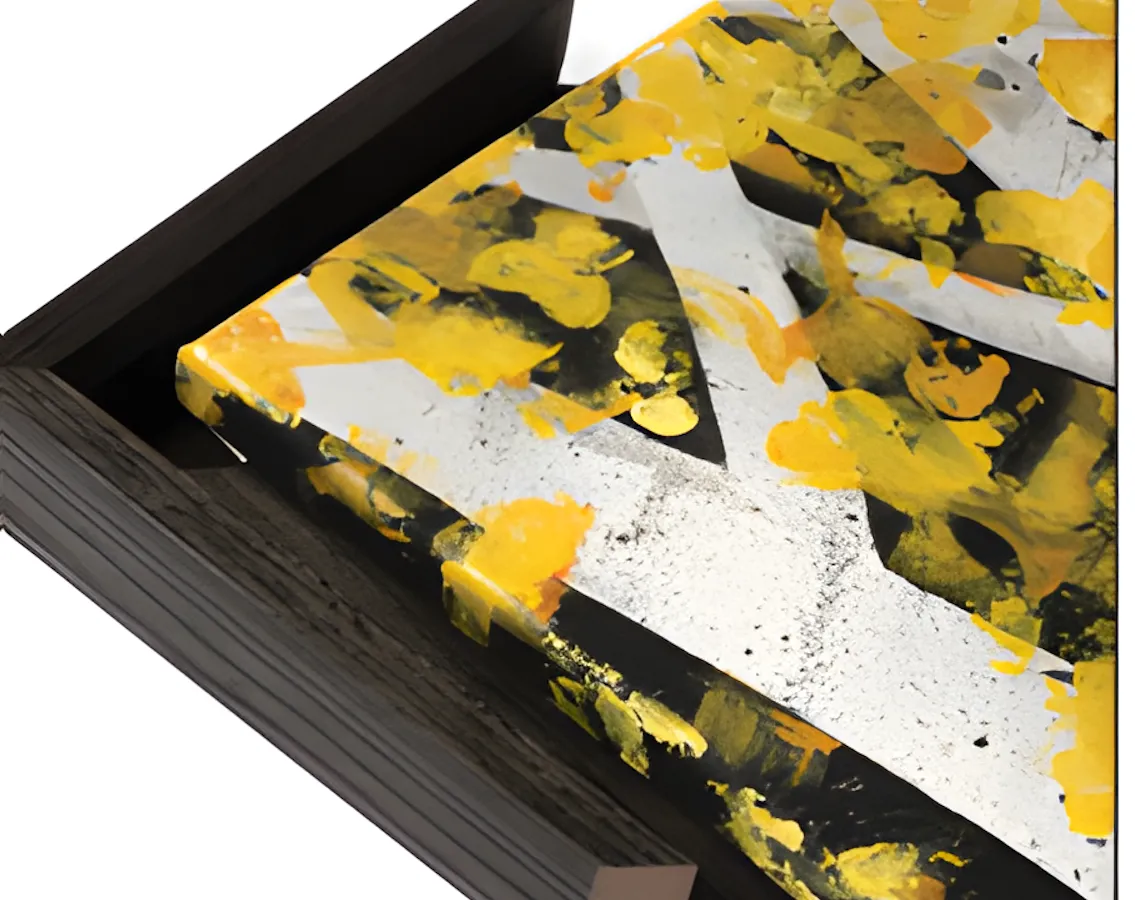
Once reserved primarily for abstract masterpieces and high end museum galleries, the float frame (also widely known throughout the custom framing industry as a tray frame) has become the absolute secret weapon for finishing almost any kind of dimensional art. Here at The Picture Framing Group, we have seen this beautifully minimalist profile completely transform the way Chicagoland art collectors, gallery curators, and interior designers display their most prized pieces. It is the ultimate method to showcase your artwork with a remarkably clean, modern aesthetic while allowing the piece itself to command all the attention in the room.
Below is a comprehensive breakdown from our local framing experts on why these unique frames are a complete game changer for your private collection and exactly how they work their visual magic. Choosing the right frame is about more than just matching colors. It involves understanding the structural integrity of the piece and enhancing its visual impact within your specific living space.
What Exactly is a Float Frame?
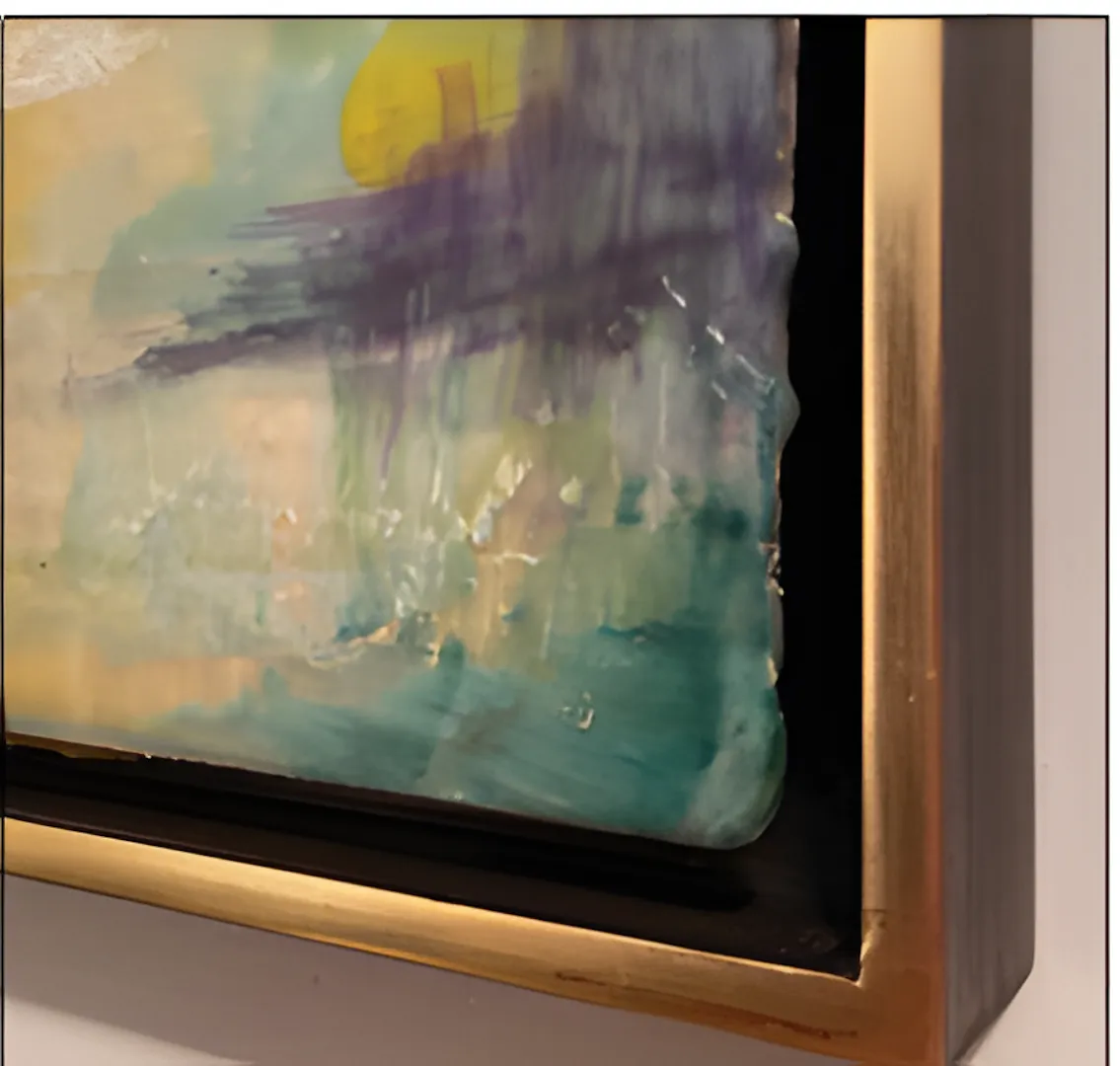
The original concept for the floater frame originated in the mid twentieth century. Prominent contemporary artists of the era wanted a more refined and highly intentional alternative to simply nailing lath (a basic, unfinished strip of wood) around the raw edges of their stretched canvases. They desired a border that would protect the delicate piece without obscuring any of the painted surface or the textural brushstrokes along the outer border. By creating a subtle visual boundary, they were able to present their work in a highly polished manner.
Today, our specialized team at The Frame Shop utilizes this exact foundational concept to create breathtaking, high end presentations for our clients. The fundamental characteristics of a professionally built tray frame include the following essential elements:
- The Floating Illusion: The canvas or art panel is mounted completely inside the wooden or metal moulding, but it is deliberately set back from the interior walls of the frame. This precise positioning creates a small, dark, open gap between the outside edge of the art and the inside edge of the frame profile. This negative space tricks the human eye into believing the art is magically hovering or floating within the designated boundary.
- Zero Canvas Cover Up: The most significant and highly sought after feature of a float frame is that absolutely none of the canvas face or side edge is covered by a frame lip. Traditional frames overlap the art by at least a quarter of an inch to securely hold the piece in place. A tray frame avoids this overlap entirely. This structural choice is absolutely perfect if the artist painted all the way to the very edge or if a crucial compositional detail or signature is located right in the bottom corner of the piece.
Why Float Frames are Incredibly Versatile
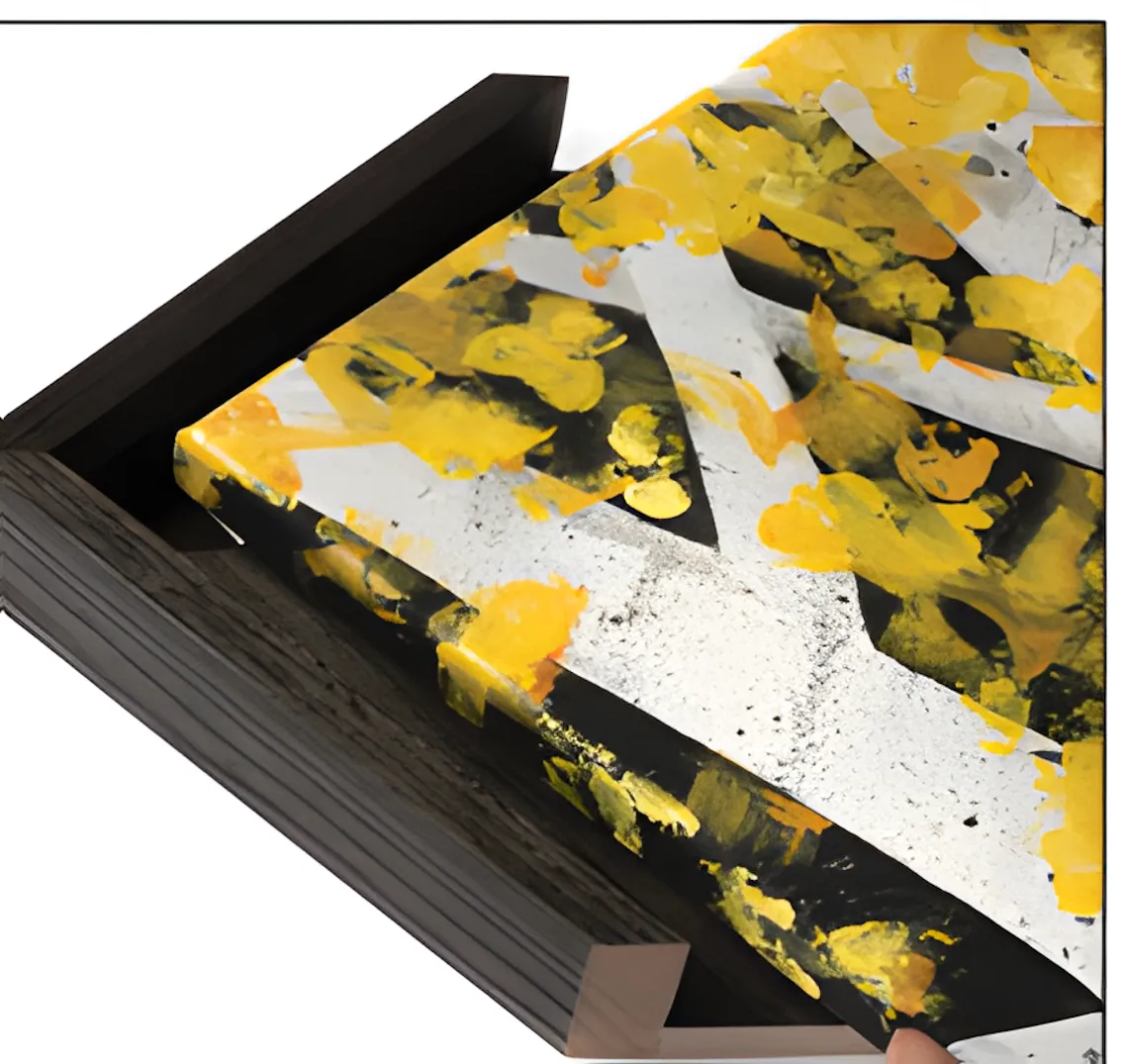
Float frames have evolved far beyond their specific mid century origins. They are no longer solely reserved for modern abstract paintings or massive contemporary canvases. Our master framing team frequently recommends this specific style for a wide variety of artistic mediums and interior design aesthetics. The flexibility of this design makes it a favorite among discerning collectors.
- Ideal for Gallery Wrapped Canvas: They are a natural and visually striking choice for art painted or printed on canvas. This is especially true for pieces featuring a gallery wrap (a technique where the canvas material is stretched all the way around the wooden stretcher bar and stapled in the back). The tray frame allows those beautifully painted side edges to remain fully visible to the viewer.
- Bridging Diverse Design Styles: These frames possess a unique ability to help a highly traditional piece of art look significantly more at home in a newly renovated Chicagoland apartment or a sleek modern home. The clean exterior lines of the frame instantly modernize the presentation without detracting from the classic, historic nature of the artwork itself.
- Treating Art as a Dimensional Object: By leaving the sides of the piece entirely visible, tray frames allow the canvas or wood panel to be showcased as a three dimensional sculptural object. Viewers can fully appreciate the thick texture, the rough organic edges, and the physical depth of the substrate on full display.
- Perfect for Rigid Panels and Metal Prints: Beyond traditional stretched canvas, float frames provide incredible depth to completely rigid substrates. Hardboard painting panels, modern glossy metal prints, and contemporary acrylic sheets look truly magnificent when expertly suspended inside a deep, contrasting tray frame. The stark contrast between the smooth art surface and the textured wooden frame creates a highly engaging visual dynamic.
The Mounting Magic and Technical Mastery
Clients frequently ask us how we actually get the heavy canvas to hover in mid air so securely. The professional installation process requires precise mathematics, specialized archival hardware, and the seasoned, practiced expertise of a professional framer. When you bring a valuable piece to The Picture Framing Group, we employ industry leading techniques to ensure your art is both visually stunning and structurally sound for generations.
- The Secure Attachment: The canvas or solid panel is secured tightly to the frame using specialized L shaped brackets (often referred to in the industry as Z clips or offset clips). These heavy duty metal fasteners are carefully screwed into the solid wooden back of the canvas stretcher bars and then directly into the sturdy base of the frame. This mechanical connection ensures the artwork will never shift, sag, or fall out over time.
- The Precision Gap: To guarantee the perfect, mathematically even float space on all four sides, our master framers use dedicated nylon spacers between the canvas and the interior frame wall. These small pieces of hardware act as invisible standoffs during the intricate fitting process. They keep the art perfectly centered and flawlessly level before the final screws are permanently set in place.
- The Protective Finish: Because the classic tray frame design leaves the entire back of the canvas exposed to the elements, our team takes extra conservation precautions to ensure maximum longevity. A piece of rigid archival backing is often installed for vital protection against household dust, environmental pollutants, and accidental punctures. Finally, a traditional paper dust cover is meticulously added to the back of the frame to provide a remarkably neat, professionally finished appearance that meets strict gallery standards.
Elevating Your Collection in Chicagoland
Float frames have clearly evolved from simple, functional strips of wood into a highly sophisticated interior design option. They bring instant elegance, museum quality drama, and a distinctively modern edge to almost any piece of art you can imagine. Whether you have recently acquired a bold new original canvas or you desperately want to update an aging family heirloom, the tray frame offers an unparalleled level of structural sophistication. The resulting display will undeniably elevate the overall atmosphere of your room.
Owners Cole and Don Glassner and the entire dedicated team at The Picture Framing Group are extremely passionate about helping you find the absolute perfect framing solution for your specific living space. We understand the unique needs of Chicagoland art collectors, professional interior decorators, and everyday art enthusiasts. Custom framing is an investment in your personal environment, and we take that responsibility very seriously.
Visit The Frame Shop today, and let us personally show you how a custom float frame can completely transform your flat artwork into a breathtaking, dimensional focal point. We look forward to collaborating with you on your next design project and bringing your artistic vision to vibrant life.