We have all seen them while browsing online design boards: those effortlessly chic walls covered in art that look perfectly imperfect. But if you have ever tried to design and hang one yourself in your home, you know that achieving an effortless look actually requires a significant amount of strategy. At The Picture Framing Group, also known locally as The Frame Shop, owners Cole and Don Glassner and our team of professional framers have helped countless Chicagoland clients turn disorganized piles of artwork into stunning visual displays.
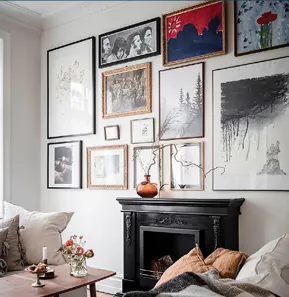
According to framing industry expert Chris A. Paschke, a true gallery wall is a deliberate display of art imagery. This is distinct from a basic wall grouping, which might include mirrors, sconces, or other decorative objects scattered randomly. While the gallery wall trend feels incredibly modern and fresh, it actually dates back to seventeenth century France. During that era, grand salon walls displayed magnificent art from the floor to the ceiling to showcase a family’s entire collection of wealth and culture.
Are you ready to transform your blank drywall into a curated masterpiece? Here are the professional rules of the road to keep your custom picture framing display from looking cluttered and chaotic.
Mind the Gap: Why Space Matters
The empty wall space between your custom frames is just as important as the art itself. Professional designers call this empty area negative space, and managing it correctly is the absolute secret to a cohesive interior design.
- Stay Close: If you leave too much space between individual items, the group loses its visual unity. The framed pieces will look like they are floating away from each other rather than working together as a single installation. As a general rule for modern homes, we strongly recommend keeping the spacing between frames to about two to three inches.
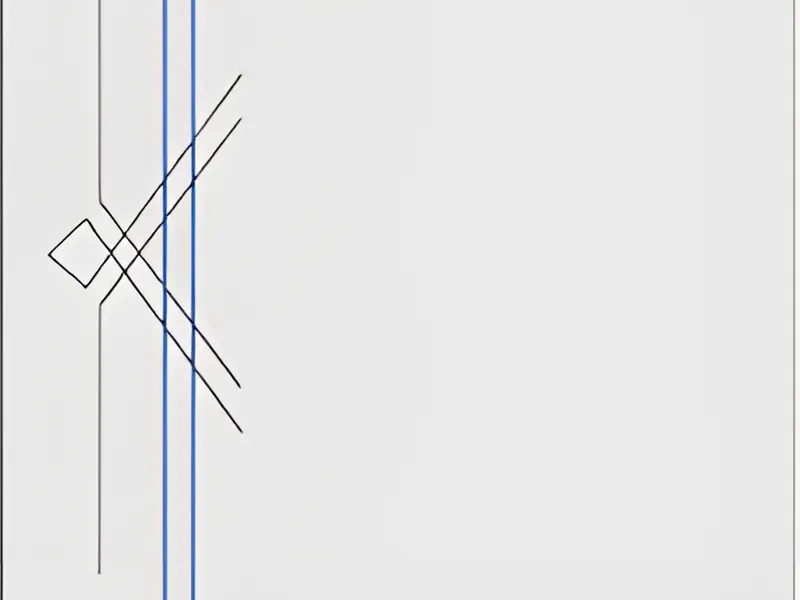
- Balance the Voids: Be extremely careful when mixing wild shapes in your layout. Placing a circular frame right next to a sharp diamond shape creates awkward negative space gaps. These irregular voids distract the viewer’s eye from the actual art and make the overall arrangement feel like an accident. Keep your spacing consistent to maintain structural harmony.
- Test Before Hanging: Before you put a single nail in your pristine drywall, map out your spacing on the floor. You can also trace your frames onto kraft paper, cut out the exact shapes, and use painter’s tape to secure the paper templates to the wall. This allows you to perfect your spacing without causing unnecessary damage to your room.
Find the Boss of the Wall
Every great gallery wall needs a strong focal point to anchor the visual chaos. Without a clear leader in the grouping, the eye does not know where to rest and the design quickly becomes overwhelming.
- Center Stage: Place your largest, boldest, or most personally meaningful piece in the center and build your design outward from there. This primary anchor piece dictates the flow and balance of the entire arrangement. We frequently custom frame large scale photography or vibrant abstract canvases to serve as the perfect central anchor for our Chicagoland clients.
- Eye Level Placement: The center of your main anchor piece should ideally sit directly at the average human eye level. In the professional picture framing industry, we typically measure this sweet spot at about 57 to 60 inches from the floor.
- Face Inward: If you are hanging profile portraits, animal photography, or images of subjects looking in a specific direction, make sure the subjects are facing into the center of the group. Having subjects look off the edge of the wall directs the viewer’s attention away from your beautiful display and out of the room.
The Secret Weapon: The Common Line
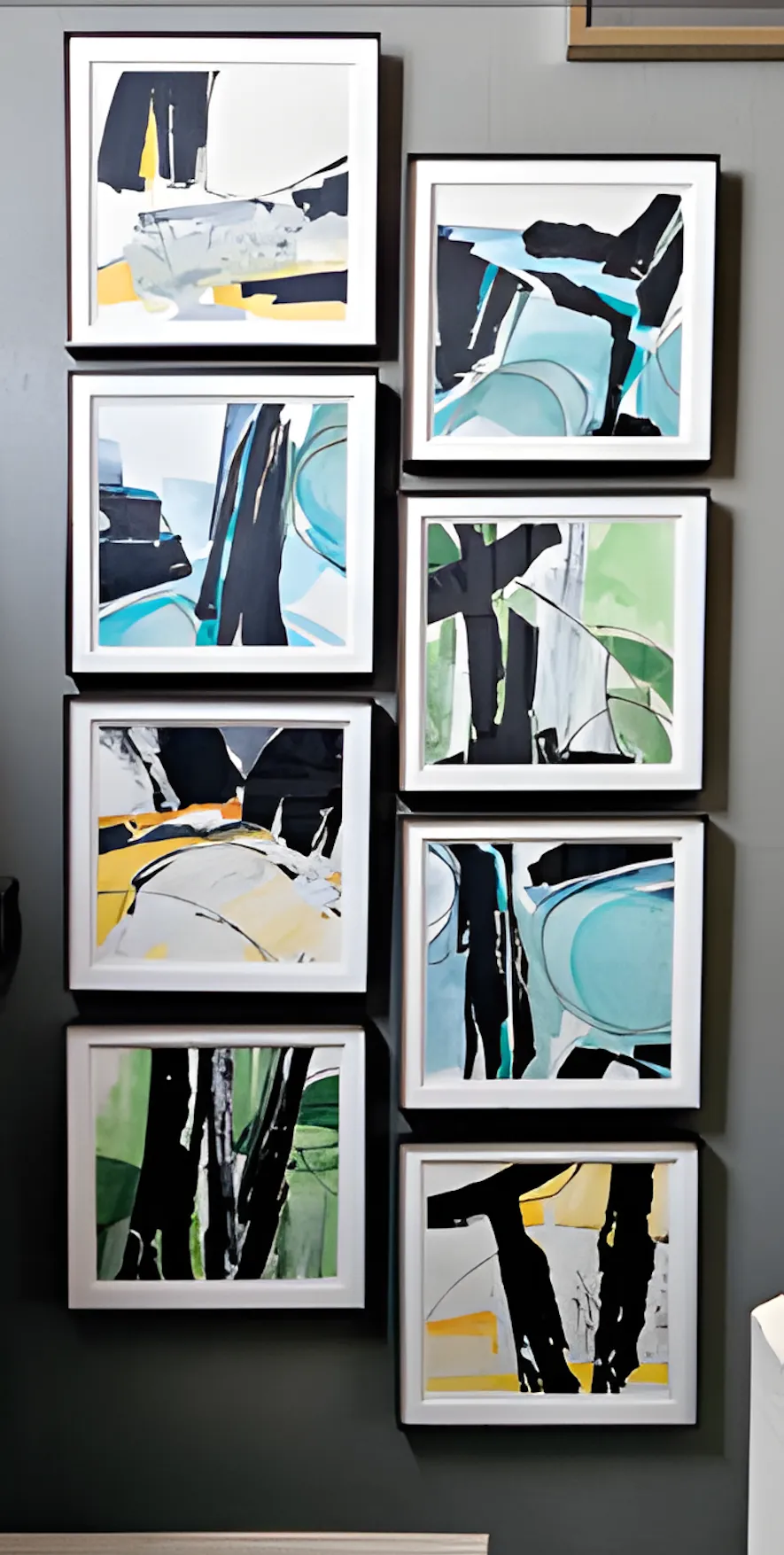
How do you make completely different sizes, vivid colors, and unique frame styles look perfectly cohesive? The easiest professional trick utilized by gallery curators is the Common Line technique. This method brings immediate order to even the most eclectic collection of art.
- How it works: Imagine a perfectly straight line (either vertical or horizontal) intersecting your blank wall. You then align the straight edge of every frame against that invisible boundary. You can build art above and below a horizontal common line, or to the left and right of a vertical common line.
- The Result: Even if every custom frame is a completely different size and shape, aligning them along a shared edge creates instant architectural order. The human brain naturally recognizes the linear alignment and immediately perceives the entire collection as a unified, purposeful installation.
- Custom Framing Unification: If your art pieces vary wildly in medium and style, you can use professional custom framing to create another vital type of visual common line. Selecting the exact same archival matting style or matching wooden frame moulding for all pieces unifies the collection instantly. The master framers at The Frame Shop excel at finding the absolute perfect moulding to tie wonderfully diverse collections together seamlessly.
Pick Your Layout Style
There is always more than one way to hang a beautiful gallery. The right layout depends entirely on the architectural vibe of your room, the volume of your collection, and your personal aesthetic preferences.
- The Grid: This layout features completely identical frame sizes aligned perfectly across the top, bottom, and sides. It is highly structured, deeply modern, and ideal for crisp geometric spaces or modern downtown condos. The Grid requires precise measurements and patience, making a high quality laser level highly recommended for the installation.
- The Corner: This is a highly trendy look that seamlessly wraps around an inner or outer corner of a room. It gracefully draws the eye through the space and works exceptionally well in transitional home areas like long hallways or winding staircases.
- The Salon: This represents the classic floor to ceiling arrangement using various sizes, unique shapes, and ornate frame styles. It is absolutely perfect for maximalists and brings a rich, historic, and layered feel to grand suburban homes or vintage city apartments.
- The Grounded: In this popular layout, all frames are aligned evenly along a bottom shelf or baseline, but the tops vary in height. This is incredibly popular for leaning framed art on floating picture ledges or aligning art right above a piece of heavy furniture like a dining room credenza.
The Bottom Line on Gallery Walls
Eclectic interior design is highly rewarding, but as industry experts wisely note, a messy wall display is simply just messy. Whether you are aiming for modern minimalism or colorful maximalism, you must make sure every single piece is placed with strict, thoughtful intention.
Curating a gallery wall takes genuine patience, careful planning, and high quality archival materials. If you have a collection of fine art, cherished family photographs, or valuable memorabilia that needs to be preserved and proudly displayed, owners Cole and Don Glassner and the expert staff at The Picture Framing Group are here to help. We can gracefully guide you through selecting the perfect archival glass, choosing cohesive museum quality mouldings, and conceptualizing a flawless gallery layout that transforms your Chicagoland home from messy to a true masterpiece.