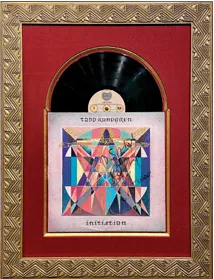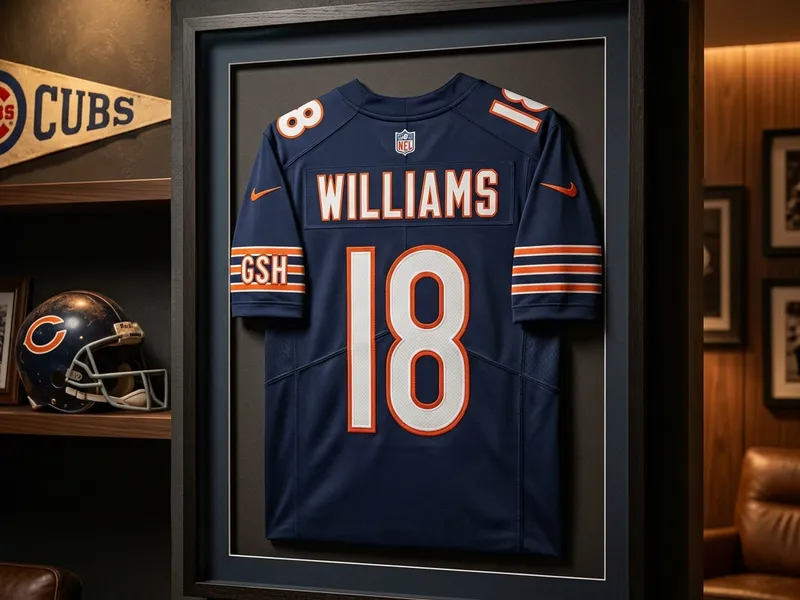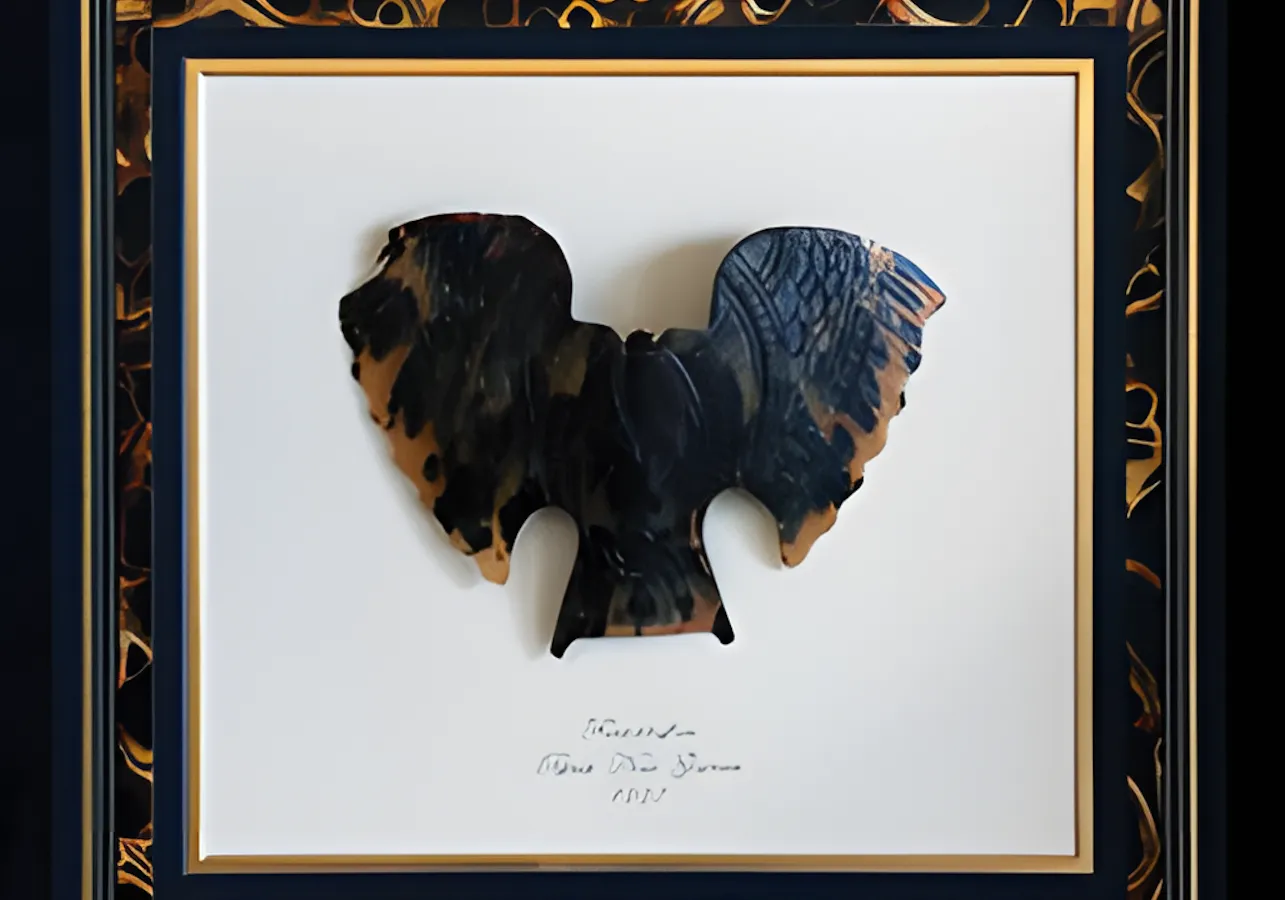
We are often told to think outside the box, but when it comes to custom framing three-dimensional objects, the real magic happens entirely inside it. At The Picture Framing Group (also proudly known across Chicagoland as The Frame Shop), we believe that shadowbox framing is a sophisticated art form in itself. Whether you are preserving cherished family heirlooms, a vintage camera, or a signed Chicago sports jersey, this process is not merely about finding a sufficiently deep frame. It is about expertly manipulating the air between the museum-quality glass and the backing board.
That empty space is actually a dynamic creative playground. Our team of professional framers approaches each custom shadowbox project as a unique architectural challenge. We combine archival preservation techniques with premium design sensibilities to build custom enclosures that protect and elevate your most precious items. Here are four innovative ways we play with depth, dimension, and spatial design to create object framing that truly stands out in your home or office.
The Classic Remix: Elevating the Standard Shadowbox
The standard shadowbox technique lines the interior sides of the frame with acid-free matboard to elegantly hide the raw wood of the frame moulding. However, there is no rule stating this structural necessity has to be visually boring. By rethinking the sidewalls, our custom framing experts can transform a standard protective enclosure into a striking visual feature that enhances the overall aesthetic of your artwork.
- Go Bold: Since the interior sides of the shadowbox are typically only seen at an angle, you can incorporate bold design choices or vibrant colors without overwhelming the primary object. This peripheral detail adds a subtle layer of sophistication that reveals itself as you walk past the piece in your living room or hallway.
- Mix it Up: You do not just have to match the background matting. Try using contrasting colors to create a cohesive thematic display. For example, lining the sides with a secondary team color for a sports jersey or utilizing handmade marbled paper can provide a striking and highly customized touch. We frequently use premium suede or linen fabrics on the sidewalls to add an unexpected element of rich texture.
- Pro Tip: Give the object ample room to breathe within the enclosure. Always ensure the empty space around the object is at least equal to the physical depth of the frame. This critical spacing prevents harsh cast shadows from obscuring the view of your cherished item and ensures proper light distribution.
The Front-Runner: Window Mat Against the Glass
If you want to dress up a smaller object and give it an impressive visual presence, placing a window mat right up against the glazing is a fantastic design choice. This technique pushes the visual framing elements to the forefront while keeping the object safely nestled in the background. It is a highly effective way to draw the eye directly into the center of the display.
- Why it Works: Positioning the mat at the very front allows our professional framers to use elegant decorative treatments typically reserved for traditional flat artwork. We can easily incorporate wooden accent fillets, luxurious fabric mats in suede or linen, and intricate custom bevel cuts to elevate the presentation. These refined details create a beautifully tailored window through which to view your object.
- The Bonus: This approach makes the overall frame footprint significantly larger. By extending the outer dimensions of the custom frame, we help small and delicate objects command attention. This ensures your item will stand out beautifully, even on a crowded gallery wall or above a large piece of furniture.
The Shadow Fighter: Window Mat at the Back
For framing projects requiring maximum visibility and a clean, modern aesthetic, we often place the window mat all the way against the background mounting board. This pushes the structural walls of the frame outward, creating a beautifully spacious interior chamber that mimics a luxury museum display case.
- Let There Be Light: By keeping the frame walls far away from the central item, you dramatically reduce restrictive interior shadows. This allows ample ambient room light to reach the object, illuminating every texture, thread, and dimensional detail perfectly. It is the ideal solution for items with intricate surface patterns or complex sculptural shapes.
- Multi-Tasking: This spacious layout is absolutely ideal for mixed-media presentations. It provides the perfect structural foundation for adding extra precision-cut openings to display accompanying photographs, descriptive metal plaques, or fragile paper documents directly alongside the main three-dimensional object. The extra space allows our designers to create a comprehensive visual narrative without making the layout feel cluttered.
The Hover: The Hybrid Approach
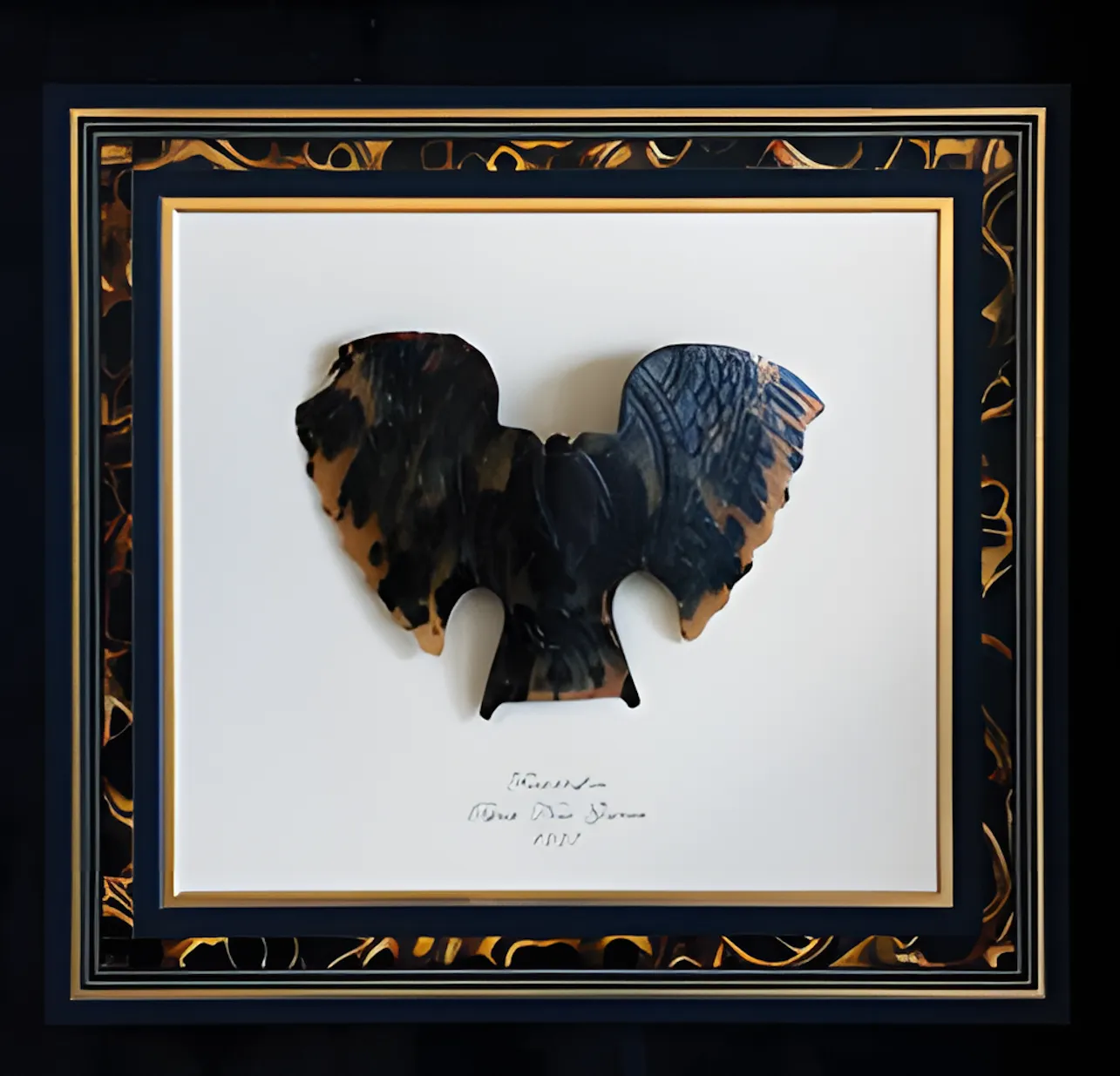
When you cannot decide between the front-runner or the shadow fighter techniques, the perfect solution is to float the mat somewhere right in the middle. This hybrid approach requires precise engineering, conservation materials, and an expert eye for spatial design. It is a technique that truly showcases the meticulous craftsmanship of our Chicagoland framing team.
- The Vibe: Positioning the mat around the physical midpoint of the object creates a captivating play of light and an unparalleled sense of dimension. It naturally draws the viewer inward, encouraging them to explore the framed piece from multiple viewing angles. The object appears to be defying gravity, suspended magically within the frame interior.
- Get Dynamic: This elevated floating technique opens up highly dynamic presentation options. We frequently try mounting smaller supporting objects directly on top of the floating mat, or we allow the main background object to physically overlap and protrude through the mat opening. This results in a highly unique and multi-layered aesthetic that demands attention.
Ready to have some fun with spatial physics and premium custom design? By experimenting with these distinct physical layers, you can elevate a simple box into a masterful piece of architectural art. At The Picture Framing Group, our entire Chicagoland team is passionate about pushing the boundaries of traditional object framing. We utilize exclusively archival materials, acid-free backing boards, and premium UV-protective glass to ensure your dimensional art remains pristine for generations to come.
We invite you to bring your memorabilia, treasured family heirlooms, and unique artifacts into The Frame Shop. Together, our expert designers will explore these innovative shadowbox techniques to build a custom display that flawlessly protects your treasures while telling your unique story. Whether you visit us with a clear vision or need professional guidance to spark your creativity, we are here to craft a custom shadowbox that you will proudly display for a lifetime.