Do you ever look at a beautifully finished custom frame design and wonder exactly why it works so well? At The Picture Framing Group, widely known throughout the region as The Frame Shop, we believe that great design is never simply a matter of intuition. Under the expert guidance of owners Cole and Don Glassner, our dedicated team approaches every piece in Chicagoland with a meticulous and highly trained eye. According to framing industry expert Chris A. Paschke, creating the perfect display is a rigorous problem solving process that involves five distinct stages. Whether you are preserving a priceless family heirloom from harmful ultraviolet light or showcasing vibrant contemporary art from a local Chicago gallery, elevating a piece from merely good to truly breathtaking requires both artistic vision and scientific precision. Are you ready to upgrade your design game and understand the magic behind the glass? Here is the comprehensive blueprint we use to take your custom framing from basic to brilliant.
The Five Stages of a Perfect Framing Project 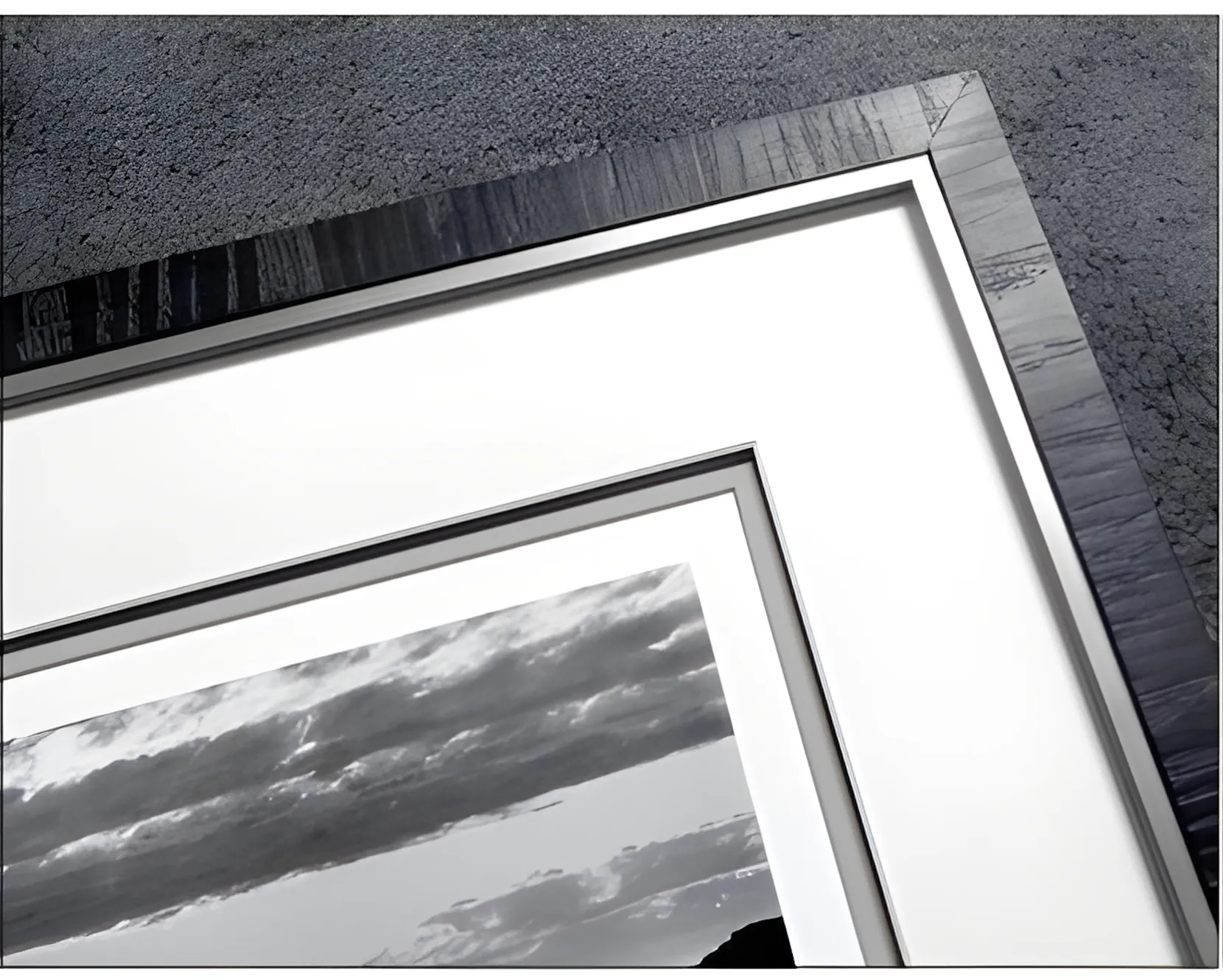
Custom framing design happens both in the front gallery during our interactive consultation with the customer and in our specialized back production room. The process flows strictly through several critical checkpoints to ensure absolute perfection for every client we serve.
- Definition: Before pulling a single mat sample or moulding corner, we must ask the fundamental question of what exactly we are handling. Is the piece a fragile digital print, a traditional photograph printed on fiber paper, an original oil painting on canvas, or a three dimensional object with physical depth? Accurately defining the project at this initial stage dictates all the archival materials, mounting techniques, and structural supports we will need to guarantee enduring preservation. We take the time to understand the unique physical characteristics of your artwork so we can prescribe the most secure conservation methods available.
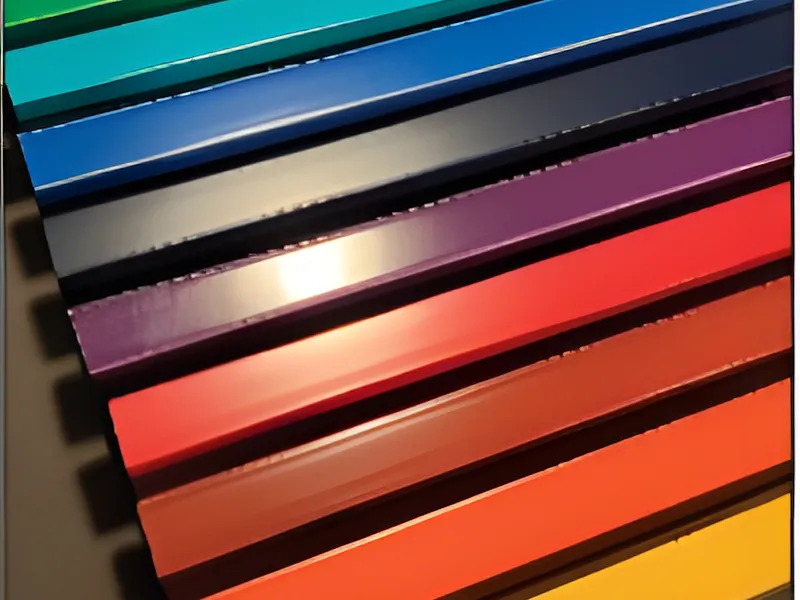
- Creativity: This is the collaborative and highly visual part of the custom framing experience. We carefully pull various archival mat boards, explore complementary color palettes, and introduce unique textures to naturally enhance the artwork. We never hesitate to suggest elevated design elements like deep bevels, premium fabric wrapped mats, or delicate wooden fillets. Recommending these luxurious options is a core part of our specialized design service, provided we always complement the piece and strictly avoid overwhelming the display. Our primary goal is to bring your distinct vision to life while introducing you to premium aesthetic options you might not have previously considered.
- Analysis: Once a solid creative direction is established, it is time for the professional reality check. This critical phase is where we calculate essential logistical and environmental factors. We carefully consider your specific deadlines, respect your budgetary parameters, and strictly enforce museum level conservation requirements. For example, a sports jersey shadowbox might require a specific internal depth to accommodate the fabric without crushing the textile fibers, while a delicate watercolor might demand specialized hinging techniques and premium museum acrylic to protect it from fluctuating Chicagoland humidity and severe light damage.
- Production: This pivotal step is where the conceptual design finally transitions into physical reality. Our highly skilled local artisans meticulously cut, join, and assemble the premium materials. Using precise craftsmanship and advanced machinery, we execute the approved design while adhering to the most stringent quality standards of the professional custom framing industry. Every corner is properly reinforced, and every piece of glazing is cut to exact millimeter specifications to ensure a flawless fit.
- Clarification: We commonly refer to this vital final stage as the critique. Did we successfully execute your artistic vision? We thoroughly inspect the completed piece for absolute quality control, meticulously checking for mathematically perfect corners, pristine glazing, and the complete absence of dust or fingerprints inside the frame. We review the foundational design principles one last time to ensure the final product inherently enhances the art rather than distracting from the central image.
Three Principles to Elevate Your Design
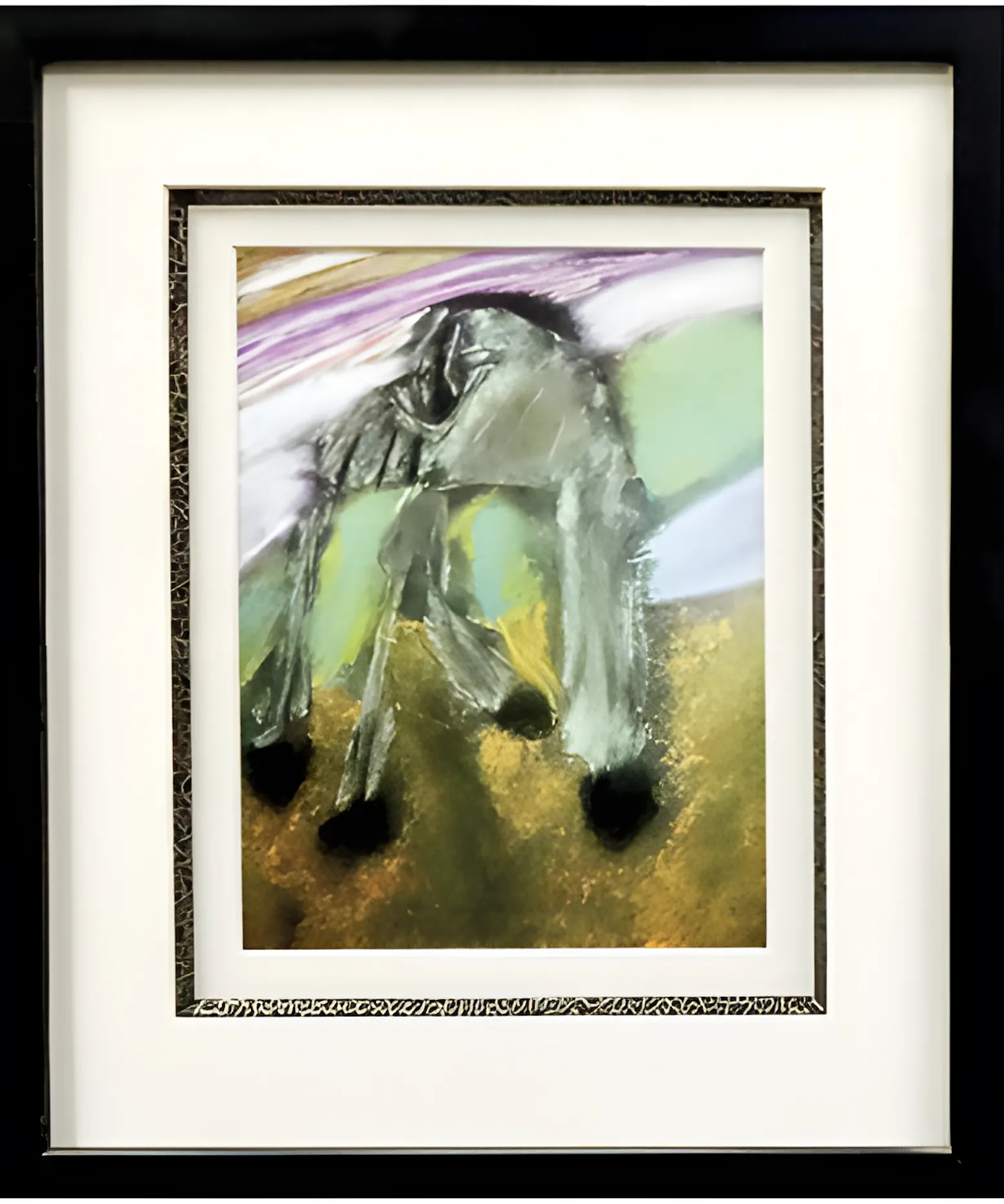
You certainly do not need to possess a fine arts degree to appreciate or utilize professional design principles. The Picture Framing Group relies on a proven set of aesthetic rules to create premium presentations for our clients throughout Chicago and the surrounding suburbs. Here are three highly accessible principles to keep in mind when conceptualizing your next custom framing project.
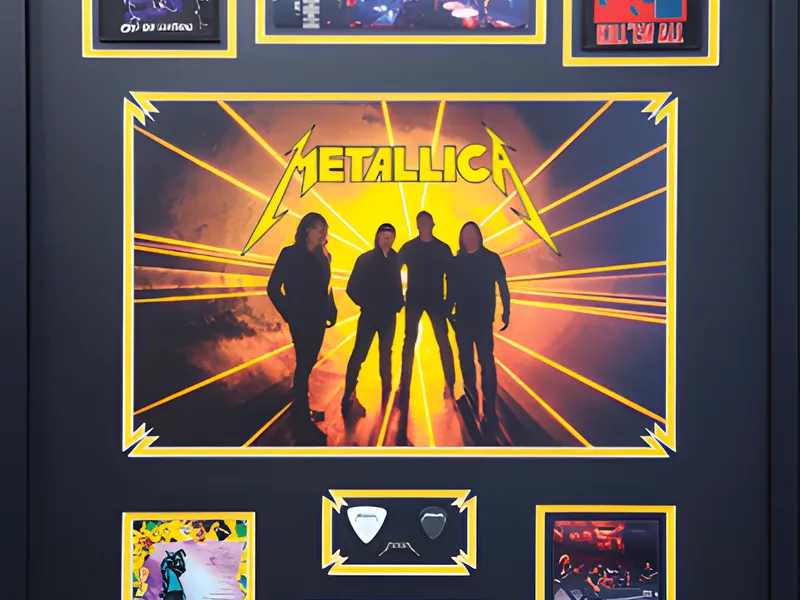
- Emphasis: The artwork itself must absolutely always be the star of the show. Our primary job as professional custom framers is to subtly control the eye of the viewer. For instance, if you are framing a muted antique portrait of a beloved grandparent, the framing materials should naturally direct focus right back to the face of the subject. We might achieve this through a subtly darker inner mat that draws the gaze inward. The only exception is if we are deliberately adding dimensional elements like vintage crochet hooks and reading spectacles to transform a standard flat portrait into an immersive memory shadowbox. The exact same rule applies to framing Chicago sports memorabilia, where the coveted signature or the vibrant team logo must remain the undeniable focal point of the entire presentation.
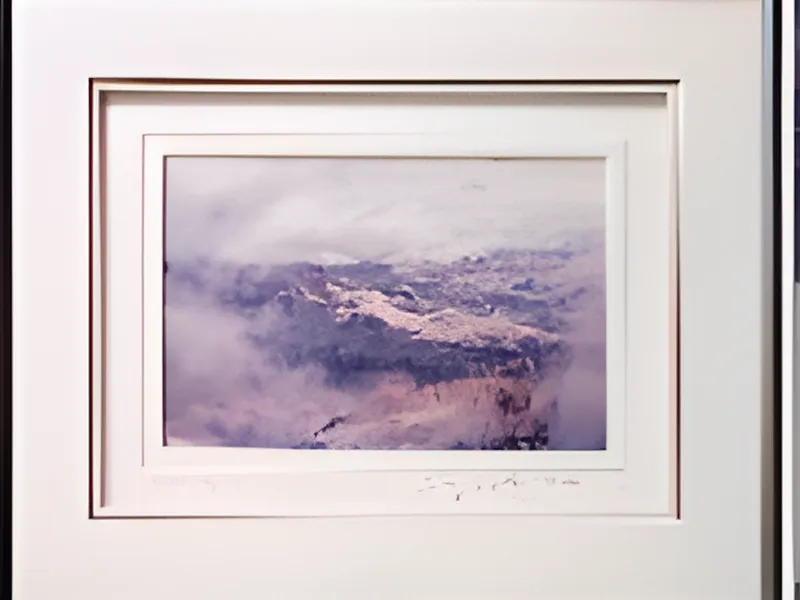
- Rhythm: A truly successful design physically connects the frame to the intrinsic aesthetic qualities of the art. If a beautiful landscape painting features soft rolling clouds or gentle hillsides, selecting a frame profile with a similar tactile texture or a sweeping curve creates a harmonious visual rhythm. Conversely, a sharp geometric abstract piece pairs beautifully with a sleek and angular moulding. This deliberate echo of shapes, colors, and textures unifies the entire piece into a single cohesive statement that feels perfectly natural and highly intentional.
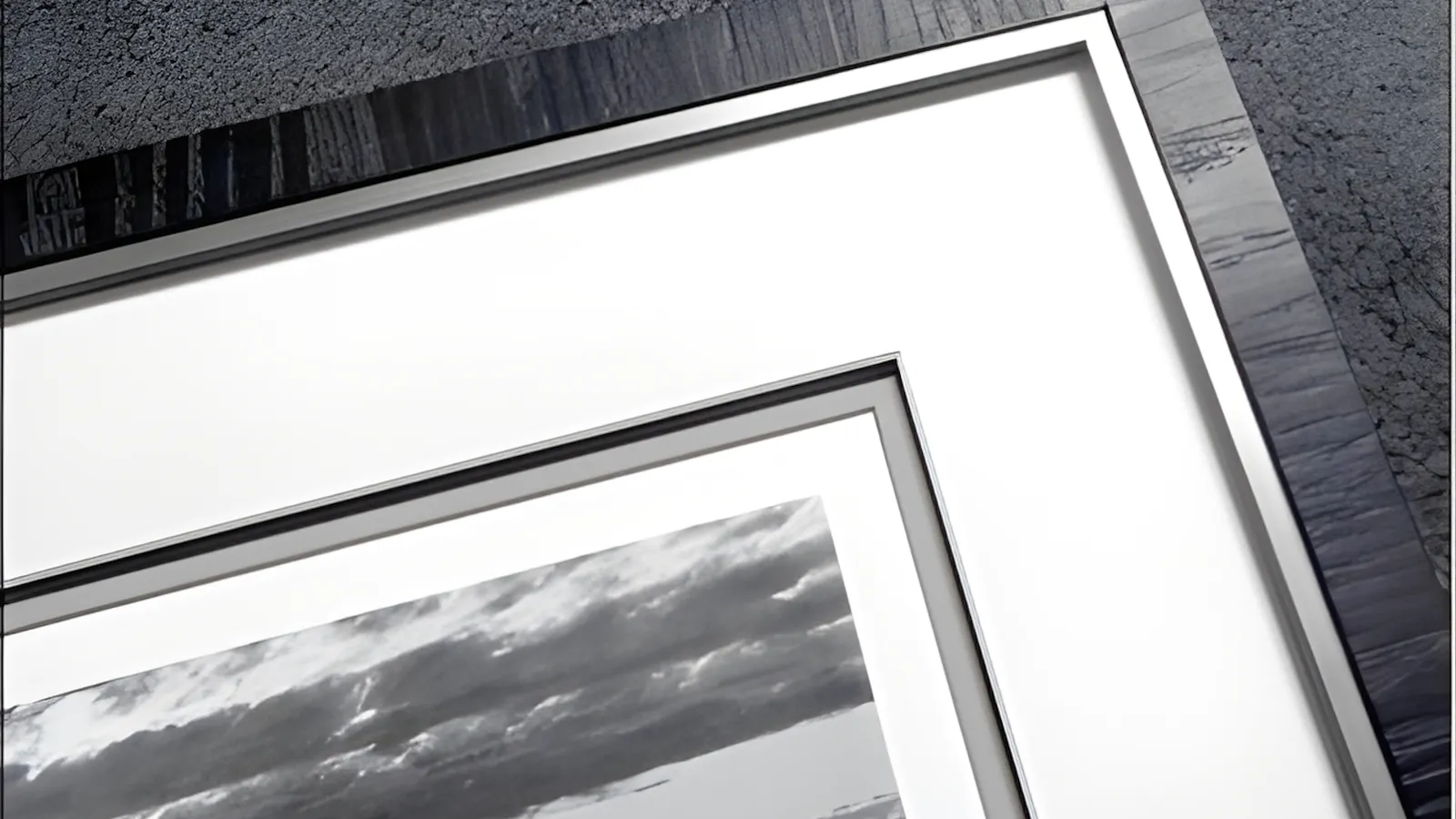
- Intensity: In the broader fine art world, intensity typically refers to bright and highly saturated colors. In the specialized realm of custom picture framing, intensity translates directly to depth and architectural drama. We frequently utilize structural elements like hidden acrylic spacers or contrasting accent strips between multiple mat layers to create fascinating interior shadows. This sophisticated dimensional approach transforms a seemingly flat piece of paper into an engaging structural display that immediately commands attention in any room of your home or office.
The Golden Rule of Framing Design
When you are ever in doubt about a specific design choice, the safest and most elegant path is to keep the entire presentation perfectly balanced. A highly reliable rule of thumb in our framing studio is to limit a single project to utilizing three to five distinct design principles at any given time. By thoughtfully analyzing your aesthetic choices and carefully editing your materials, you can easily prove that an exceptional design is never simply a lucky accident. It is a carefully orchestrated masterpiece built firmly on a foundation of scientific principles and deliberate artistic intent.
At The Picture Framing Group, owners Cole and Don Glassner and our entire dedicated team are deeply passionate about the science and artistry behind every single frame we build. We cordially invite you to visit The Frame Shop to experience this sophisticated and highly interactive process firsthand. Whether you reside in the heart of Chicago or anywhere in the surrounding Chicagoland communities, we are fully prepared to help you preserve your most treasured pieces with unparalleled craftsmanship, superior archival materials, and truly timeless style. Let us help you transform your artwork from something you merely like into something you absolutely love.